Computer Networking
I am a student pursuing BTech in Computer Science. Passionate to learn new technologies. I am passionate about DevOps. I am familiar with tools like git, github, docker, jenkins, kubernetes.
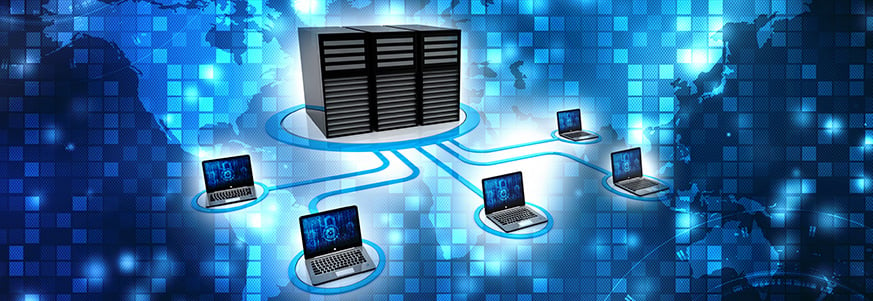
Client-server architecture :
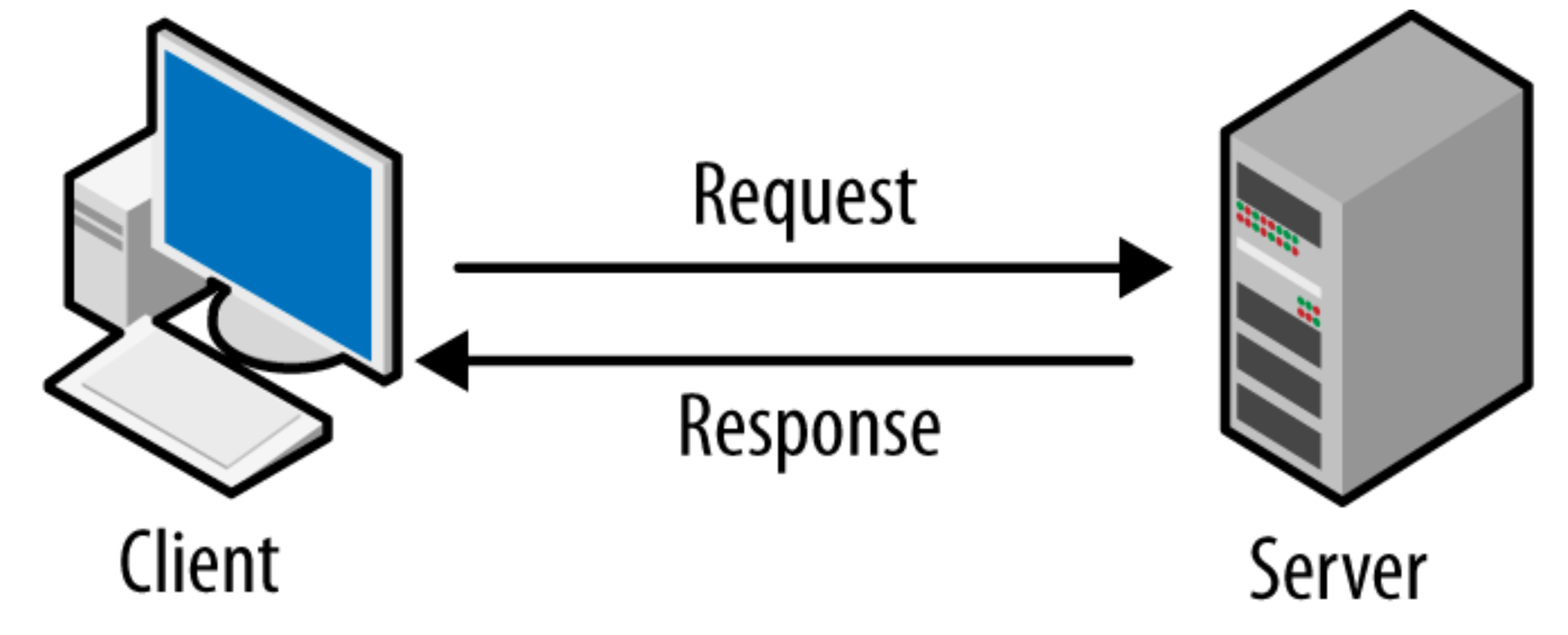
In this client-server architecture, the client requests some data to the server by using protocols and after the request from the client-server sends the information in the form of a response. This information is not in a single form it comes in the form of small packets.
Peer-To-Peer architecture :
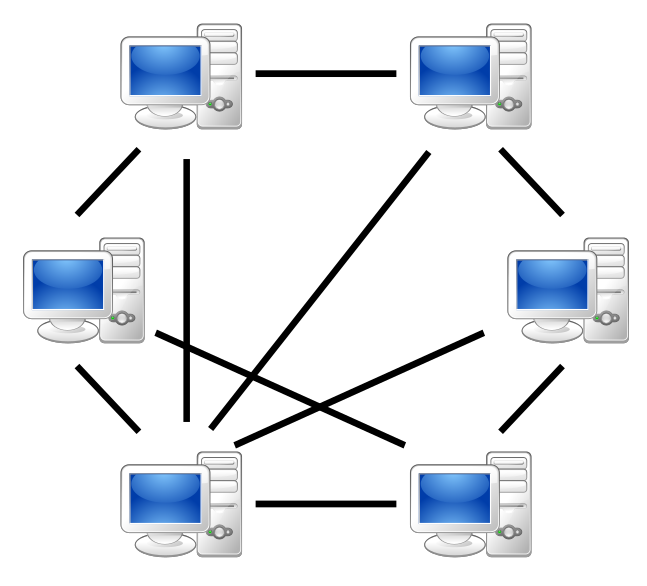
In peer-to-peer (P2P) networking, a group of computers is linked together with equal permission and responsibilities for processing data.
Protocol :
Protocol means the set of rules or steps to perform a particular task. These rules are set by Internet society.
Some of the protocols
TCP (Transmission Control Protocol) :
This protocol ensures the data that reaches the destination is not corrupted or lost on the way.
e.g: Email
UDP (User Datagram Protocol) :
In this data may be lost or corrupted during transmission.
e.g: video conference
HTTP (Hyper Text Transfer Protocol) :
It is used in web browser. It defines the format of the data transfer between the web client and the web server.
e.g: Google Chrome
Status code :
HTTP status codes are response codes sent by web servers in response to HTTP request. It is 3 digit number in which the first digit decides the class of response.
1xx : Informational
2xx : Success
3xx : Redirection
4xx : Client error
5xx : Server error
HTTP methods :
GET: This method is used to request some data from the server.
POST: This method is used to give some data to the server.
PUT: This method is used to put the data in a particular location.
DELETE: This method is used to delete the data from the server.
Types of Networks:
LAN (Local Area Network): Local Area Network is a group of computers connected to each other in a small area such as a building, office.
MAN (Metropolitan Area Network): A metropolitan area network is a network that covers a larger geographic area by interconnecting a different LAN to form a larger network.
WAN (Wide Area Network): A Wide Area Network is a network that extends over a large geographical area such as states or countries.
Some IMP points
Each system/computer communicates with the internet and is identified using IP address.
DHCP (Dynamic Host Control Protocol) is used by routers to give an IP address to devices that are connected to it.
DNS (Domain Name System) converts the URL into an IP address.
Port Number :
It is a 16 bit number that is used to decide which application to send the data in the device. There are almost 65,000 port numbers. from which
0 - 1023 -> Reserved ports
1024 - 46152 -> Reserved for some applications
remaining -> we can use it
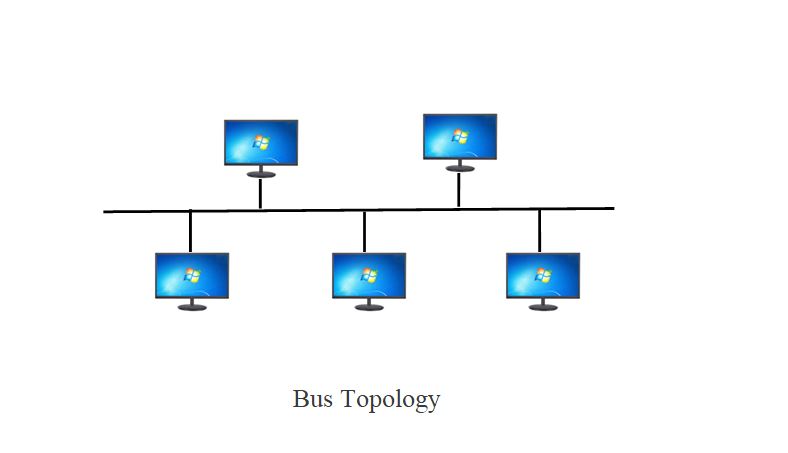
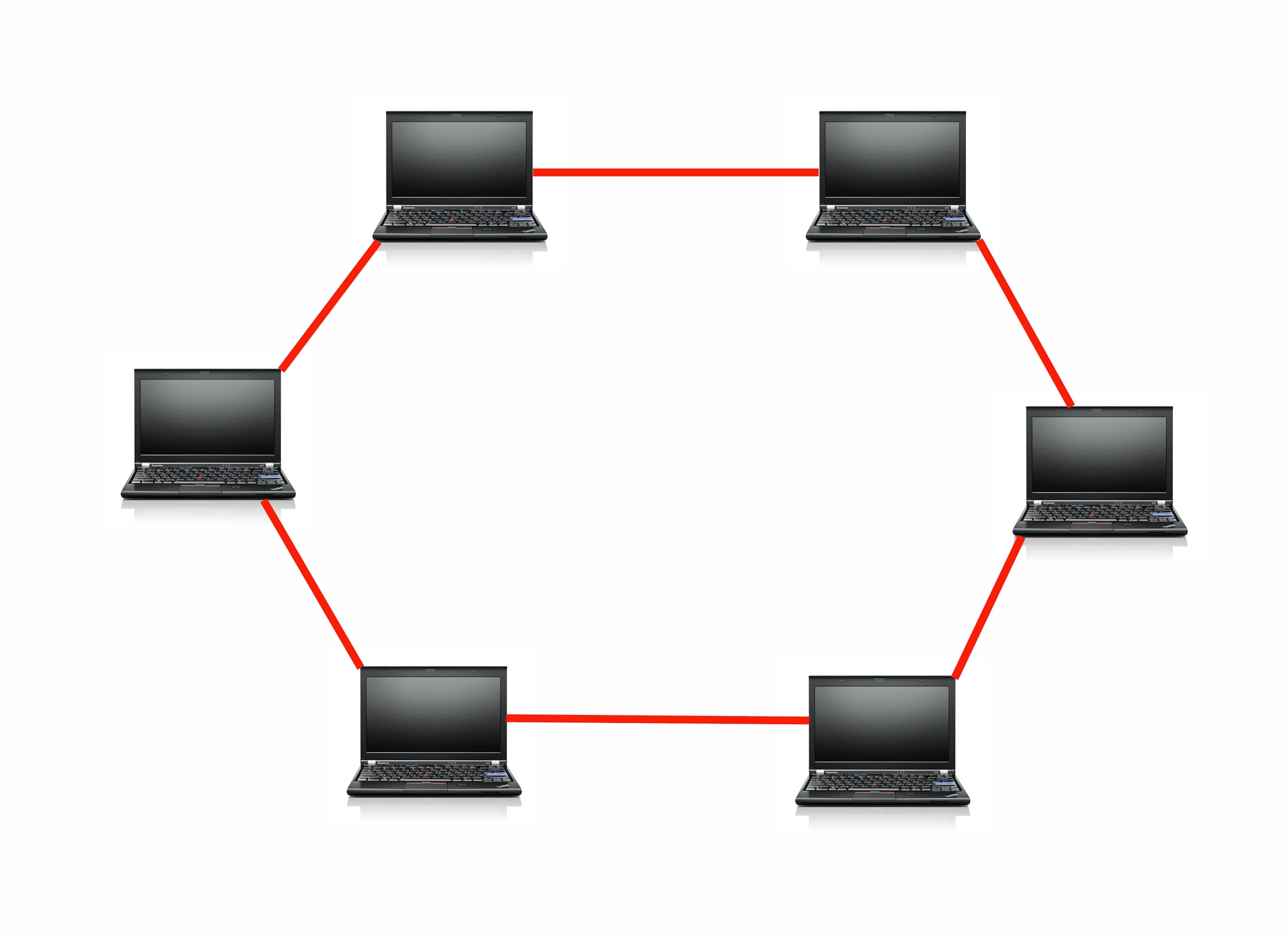
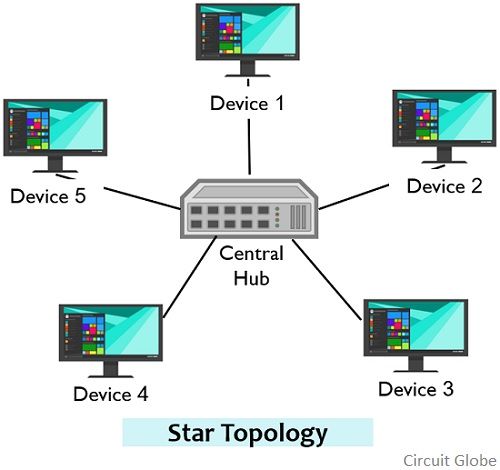
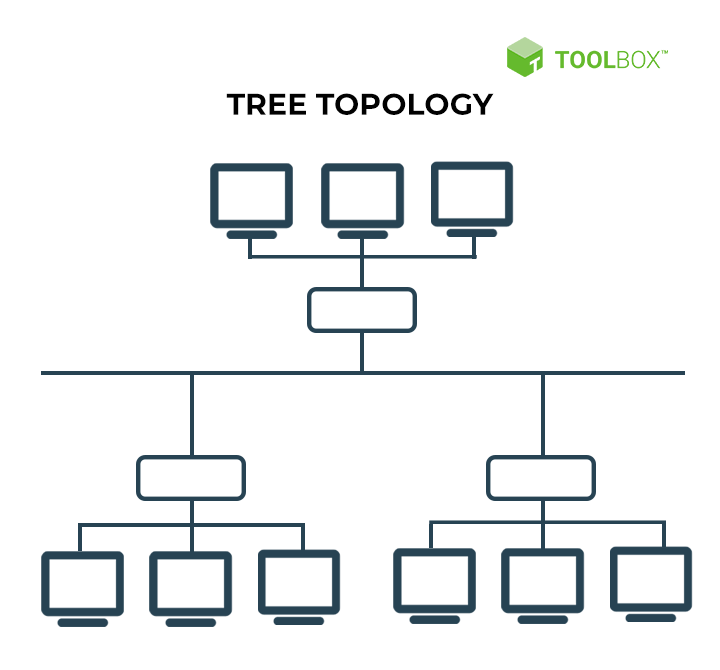
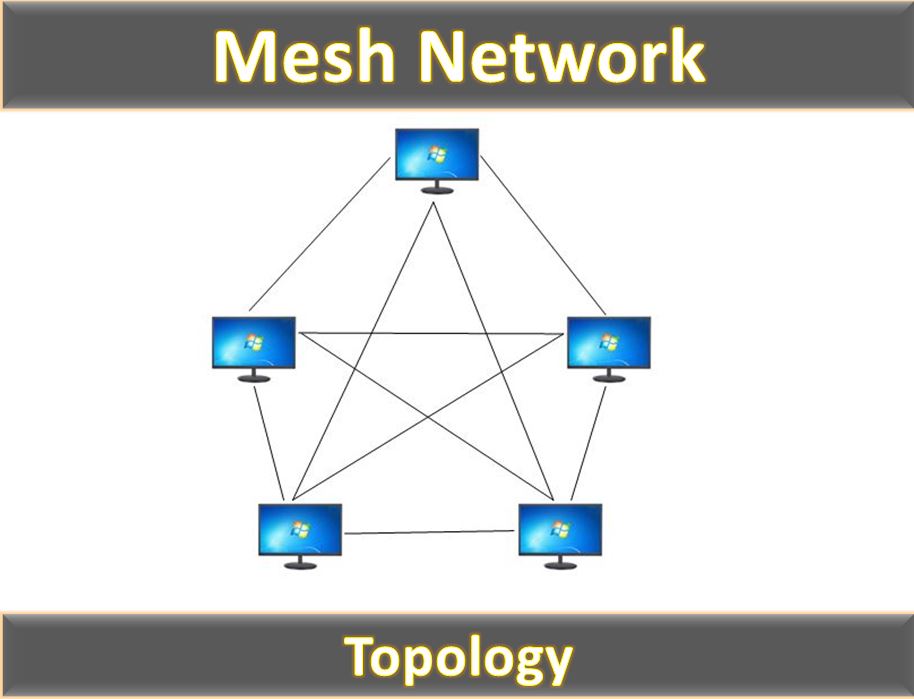
Different types of Topologies to connect one computer with you
- BUS Topology :
- RING Topology :
- STAR Topology :
- TREE Topology :
- MESH Topology :
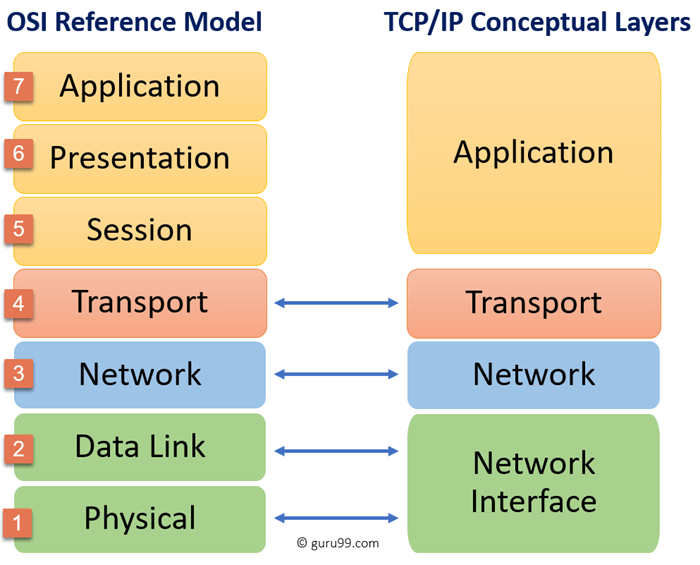
OSI Model : (Open Systems Interconnection Model)
There are a total of seven layers are present in the OSI model. It is a reference model.

TCP/IP Model :
This model is actually implemented inside the devices.
Two key features of the TCP/IP model :
End node verification: The two endpoints of any data transfer are responsible for making sure it was successful.
Dynamic routing: The end node can transfer data over multiple paths and the network chooses the best path for individual data transfer.


